
- Disclaimer: The educational videos provided on this platform are for informational purposes only and are not a substitute for professional medical advice. Always consult a qualified healthcare provider regarding any medical condition or treatment.
Understanding Headaches



Essentials of Headache Care



Physical Activity & Self-Management



Lifestyle & Prevention Strategies

- 4:43 min
- 7 min


Mental Health & Pain

Exercises
Frequently asked questions
What are the different types of headaches?
Headaches can be classified as either primary or secondary. Primary headaches include migraines, tension-type headaches, and cluster headaches. Secondary headaches result from underlying conditions such as trauma, infections, or temporomandibular joint dysfunction (TMJ). Cervicogenic headaches—originating from cervical spine dysfunction—are also common and can be effectively managed with physical therapy.
What is a cervicogenic headache, and how is it different from a migraine?
Cervicogenic headaches arise from the cervical spine and typically involve pain starting in the neck or base of the skull, radiating toward the forehead or temples. They are often aggravated by neck movement and come with limited cervical mobility. Migraines, on the other hand, usually involve throbbing, one-sided pain and are accompanied by symptoms like nausea, vomiting, and sensitivity to light or sound.
How can physical therapy help treat headaches?
Physical therapy offers effective, non-drug-based relief for tension-type and cervicogenic headaches. Techniques may include manual therapy, neck and shoulder exercises, posture correction, and ergonomic training. These approaches aim to reduce muscle tension, improve joint mobility, and prevent future headache episodes.
What are the most common causes of tension-type headaches?
Tension-type headaches are typically caused by muscle tension in the neck and scalp, stress, poor posture, prolonged screen use, and sleep disturbances. They usually present as a dull, tight pressure on both sides of the head.
How do migraines differ from tension-type headaches?
Migraines cause intense, often pulsating pain on one side of the head, and may come with nausea, vomiting, and sensitivity to light or sound. Tension-type headaches tend to produce a constant, pressing sensation across both sides of the head and are generally not worsened by physical activity.
Can exercise help prevent headaches?
Yes. Regular cardiovascular exercise—such as walking, swimming, or cycling—can reduce the frequency and severity of migraines and tension-type headaches by improving blood circulation, relieving stress, and strengthening muscles.
Can prolonged posture trigger headaches?
Absolutely. Prolonged static postures, especially during computer use or screen time, can contribute to tension-type and cervicogenic headaches. Improving posture, taking breaks, and incorporating mobility exercises into your daily routine can help prevent these headaches.
When should I see a doctor for my headache?
Seek medical attention if your headache is sudden and severe, differs from your usual pattern, or doesn’t respond to over-the-counter treatments. Red flags include:
- Neurological symptoms (e.g., confusion, numbness, vision changes)
- Fever or neck stiffness
- Headache after trauma
- Headaches that worsen at night or in the morning
- A substantial change in headache frequency or intensity
What are the red flags that indicate a more serious headache?
Serious signs include sudden, thunderclap headaches; new neurological deficits; cognitive or personality changes; headaches associated with cancer or immunosuppression; and pain that worsens with fever or at night. If you experience any of these, seek immediate medical evaluation.
What is a migraine aura?
A migraine aura is a set of sensory or visual disturbances that precede or accompany a migraine attack. These can include flashing lights, zigzag lines, blurry vision, or tingling sensations. Auras usually last 5–60 minutes and are reversible.
How does sleep impact headaches?
Both sleep deprivation and oversleeping can trigger headaches. Poor sleep quality may increase the risk of migraines and tension-type headaches. Establishing a regular sleep schedule and practicing good sleep hygiene can help reduce their occurrence.
Can dehydration cause headaches?
Yes. Dehydration is a common trigger for dull, throbbing headaches. Drinking enough water throughout the day is essential for headache prevention and overall brain function.
Can stress cause headaches?
Stress is a major contributor to both tension-type headaches and migraines. It can lead to muscle tightness and trigger inflammatory processes. Stress management strategies—like mindfulness, relaxation techniques, and physical activity—can significantly reduce headache episodes.
What non-medication treatments are available for headaches?
Several evidence-based non-pharmacological options include:
- Physical therapy and posture education
- Relaxation techniques
- Cognitive-behavioral therapy (CBT)
- Biofeedback
- Acupuncture (Tension type headache)
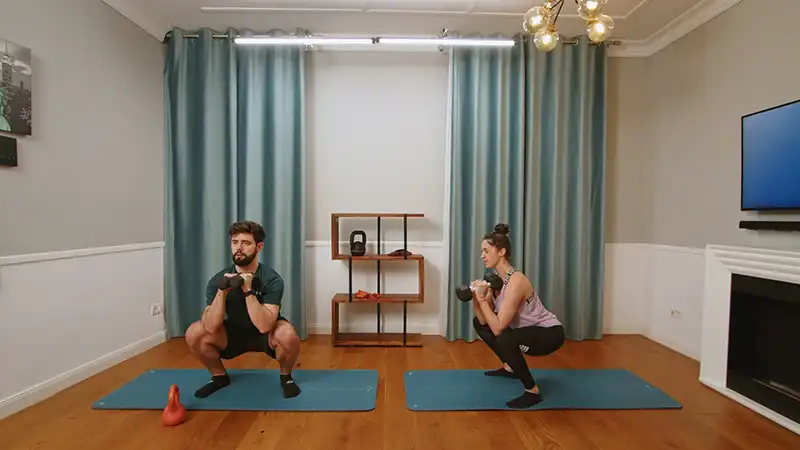
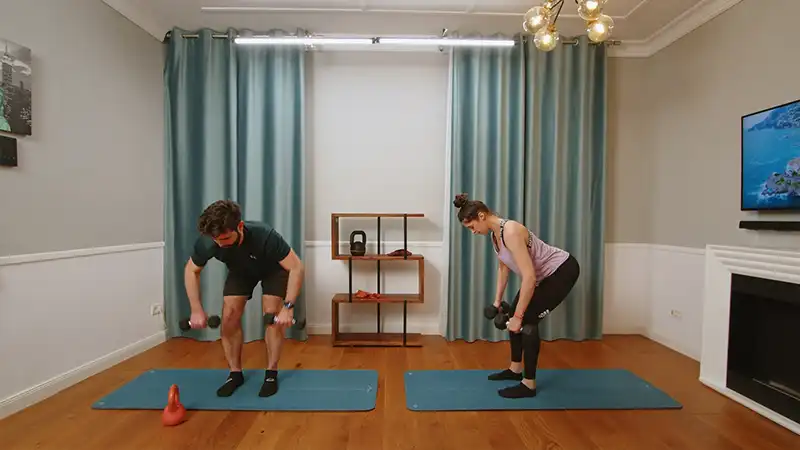
- Tailored made aerobic training – mild resistance training
What are common triggers for migraines?
Migraine triggers vary, but frequently include:
- Hormonal fluctuations
- Certain foods (e.g., chocolate, aged cheese, caffeine)
- Stress
- Bright lights or loud sounds
- Sleep irregularities
- Weather changes
Identifying personal triggers can help reduce migraine frequency.
Can physical therapy prevent headaches in the long term?
Yes. Physical therapy can help prevent recurring headaches by strengthening the muscles of the neck, shoulders, and upper back, correcting posture, and educating patients on ergonomics and movement patterns.
How can I track my headaches effectively?
Using a headache diary can help identify patterns and triggers. Record the date, time, intensity, duration, location, associated symptoms, and potential factors like food, stress, or sleep. This information is invaluable for healthcare providers in crafting an individualized treatment plan.
What is the prognosis for cervicogenic headaches?
With proper diagnosis and treatment, including targeted physical therapy, the outlook for cervicogenic headaches is generally good. Many individuals experience long-term relief through manual therapy, exercises, and posture correction.
What is a physiotherapist’s role in treating headaches?
Physiotherapists play a key role in managing tension-type and cervicogenic headaches using manual techniques (mobilization, manipulation, myofascial release), postural education, and therapeutic exercise. These strategies aim to reduce pain, improve cervical mobility, and promote long-term symptom control.
What impact do headaches have on society?
Headaches are among the leading causes of disability worldwide. They affect school performance, work productivity, emotional well-being, and healthcare costs. In children and adults, frequent headaches can increase the risk of anxiety, depression, and social withdrawal.
What innovative treatments are emerging for headaches?
Neuromodulation techniques like transcranial direct current stimulation (tDCS) and repetitive transcranial magnetic stimulation (rTMS) show promise for drug-resistant migraine management. These approaches target specific brain areas to reduce attack frequency and intensity, though they are not yet first-line treatments.
Can migraines go away without seeing a specialist?
Some migraines resolve on their own with rest, hydration, and over-the-counter medication. However, if migraines are frequent, disabling, or worsen over time, it’s essential to consult a specialist for tailored treatment and to rule out more serious conditions.
